Modern Pub Resume Template CV: A Designer's Guide
In the competitive landscape of graphic design and creative hiring, a well-organized resume is your first and most critical piece of visual communication. It's not just a document; it's a personal branding asset that must immediately capture attention and demonstrate your design sensibility. A thoughtfully crafted Pub Resume Template CV serves as a foundational creative asset, ensuring your professional narrative is presented with the clarity, modern aesthetics, and visual hierarchy that prospective employers expect.
The Role of a Polished CV in Visual Communication
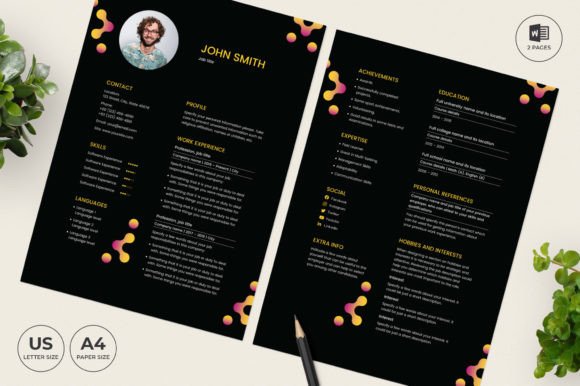
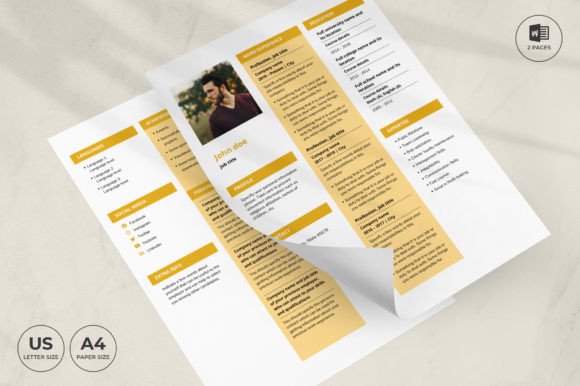
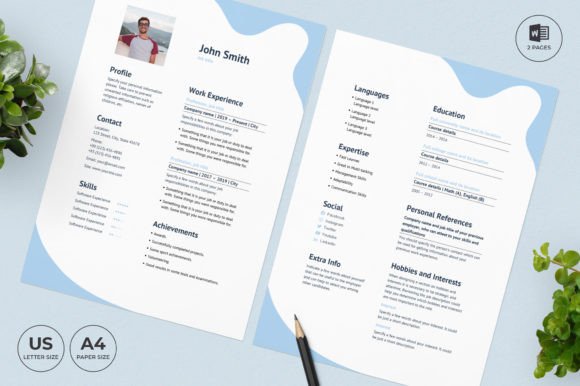
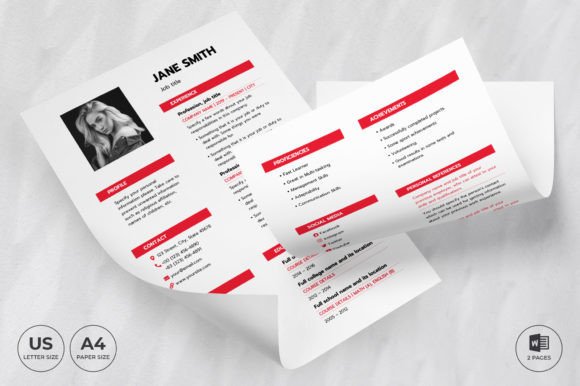
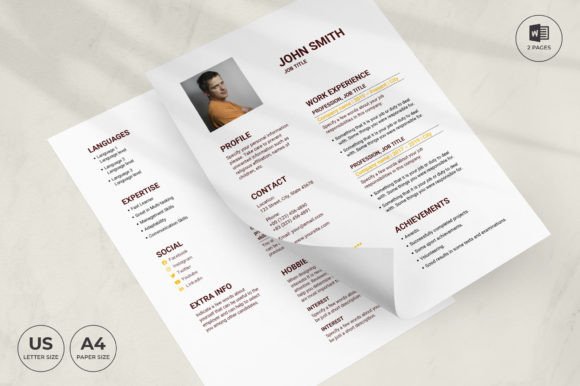
Every design choice in your resume contributes to your brand identity. From the typographic system and color palette to the grid-based layout and whitespace, each element works to create a cohesive and professional presentation. This template is engineered to be unboring and clear, moving your CV to the top of the stack by focusing on clean design principles. It’s a practical example of how strong visual design enhances user engagement—in this case, the user being a hiring manager.
The practical value of a premium template lies in its structured flexibility. It provides a carefully designed grid and organized sections, which are fundamental to effective editorial and document design. This structure ensures readability and allows your content to breathe, guiding the viewer's eye through your skills and experience with intentional visual flow.
Practical Applications Beyond the Job Search
While its primary function is a professional presentation, the principles embedded in a high-quality CV template have broader applications in creative projects. The same attention to typography, layout, and visual hierarchy is crucial across various design disciplines.
- Branding and Marketing Collateral: The template's clean lines and customizable color scheme can inspire the design of business cards, letterheads, and marketing brochures, ensuring consistency across all touchpoints.
- Digital and Social Media Content: The structured, grid-based approach is ideal for designing cohesive social media graphics, presentation slides, or digital media kits, maintaining a strong brand identity online.
- Editorial and Web Design: Understanding how to organize dense information clearly is a skill directly transferable to designing magazine layouts, annual reports, or user interface (UI) components where clarity and scannability are paramount.
Tips for Evaluating and Using Design Assets Effectively
When selecting any creative resource, including a resume template, consider these factors to ensure it enhances your design workflow and output:
- Assess Scalability and Flexibility: Can the asset be easily adapted for different contexts? A template that allows you to change every word, color, font, and section provides the creative control needed for true customization.
- Prioritize Readability and Hierarchy: Evaluate the use of typography and spacing. Is there a clear visual hierarchy that distinguishes headings from body text? Good typography is the backbone of effective communication.
- Check Technical Specifications: Ensure the files are high-resolution, print-ready, and come in standard formats like DOCX for easy editing. Compatibility with common software is key for a smooth design process.
- Consider the Overall Aesthetic: Does the visual style align with your personal brand or the industry you're targeting? A modern, professional design can significantly impact first impressions.
Ultimately, the tools you choose reflect your commitment to quality. By leveraging well-designed creative assets like a professional CV template, you not only improve the aesthetics of your personal branding but also communicate competence and attention to detail. In graphic design and beyond, the thoughtful selection and application of visual elements are what transform a simple document into a compelling narrative, opening doors to new opportunities and creative success.