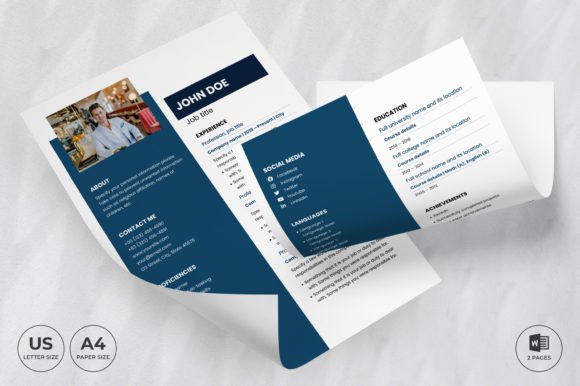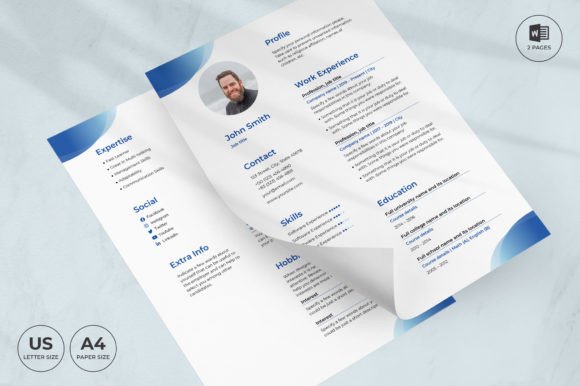
Scuba Diving Resume Template CV: A Professional Design Asset
In the competitive landscape of professional design, a well-structured Scuba Diving Resume Template CV is more than a document; it's a critical piece of visual communication that opens doors. For graphic designers, marketers, and creative professionals, the challenge isn't just listing experience—it's crafting a narrative that is both visually compelling and strategically organized. A thoughtfully designed template serves as the foundational blueprint, ensuring your name is memorable and your CV rises to the top of any stack.
The Anatomy of a Modern, Effective Resume
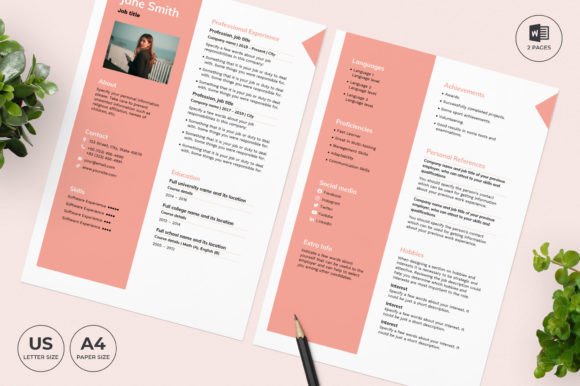
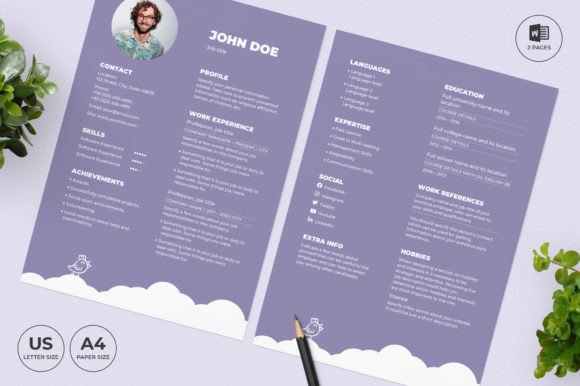
A modern resume template functions as a powerful branding tool. It establishes a visual hierarchy that guides the reader's eye, using typography, color, and layout to emphasize key information. This isn't about decoration; it's about clarity and impact. A clean, grid-based design ensures readability and scalability, whether viewed on screen or printed. The goal is to create a document that is both aesthetically pleasing and supremely functional, reflecting the professionalism of the applicant.
Key design elements that contribute to a polished result include:
- Typography: The careful selection of fonts sets the tone. Using only free, licensed fonts ensures compatibility and a professional finish. Adjusting size, weight, and color creates a clear information flow.
- Color Palette: A strategic color scheme can accentuate sections, create visual interest, and align with personal or industry branding. Every color—from text to icons to accent lines—should be customizable.
- Composition & Grid: A template built on a precise grid system guarantees alignment and balance. This underlying structure makes the document easy to scan and visually harmonious.
Practical Applications and Creative Flexibility
The utility of a robust CV template extends far beyond a single job application. Its principles of visual design and professional presentation are applicable across numerous creative projects. The same attention to hierarchy, typography, and spacing that makes a resume effective can elevate:
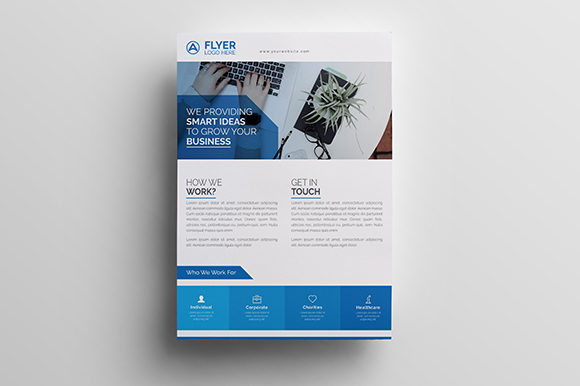
- Marketing Materials: Flyers, brochures, and pitch decks that require clear information architecture.
- Social Media Graphics: Consistent, on-brand templates for stories, posts, and banners that strengthen brand identity.
- Web & UI Design: The grid-based layout thinking is directly transferable to creating balanced website wireframes and user interface components.
- Editorial & Packaging Design: Managing text and imagery within a structured layout is a universal skill for creating compelling magazine spreads or product packaging.
A fully customizable template, like the one described, is a creative asset that saves time while ensuring quality. The ability to change every word, color, font, and section means it can be adapted not just for different jobs, but for different design workflows and client projects.
Tips for Selecting and Using Design Elements
When evaluating a resume template or any design asset, consider its alignment with your goals and audience. Does the visual style match the industry you're targeting? Is the information presented in a logical order? Ensure the template is compatible with your preferred software—in this case, Microsoft Word for easy editing.
Effective use involves more than just filling in blanks. Treat the template as a starting point for your own design inspiration. Customize the color palette to reflect your personal brand, choose fonts that are both distinctive and legible, and adjust sections to highlight your most relevant skills. A well-organized, print-ready file with clear instructions removes technical barriers, allowing you to focus on the content and its presentation.
In the end, the tools we choose say as much about our work as the work itself. Investing in high-quality, thoughtfully designed creative resources demonstrates a commitment to excellence. A superior resume template does more than list qualifications—it visually communicates your professionalism, attention to detail, and understanding of effective visual communication, setting the stage for every opportunity that follows.